

How Corporate Travel Management Can Reduce Your Carbon Footprint sets the stage for this enthralling narrative, offering readers a glimpse into a story that is rich in detail and brimming with originality.
The topic dives into the vital role corporate travel management plays in reducing carbon emissions and explores sustainable travel policies and technology solutions.
Importance of Corporate Travel Management in Reducing Carbon Footprint
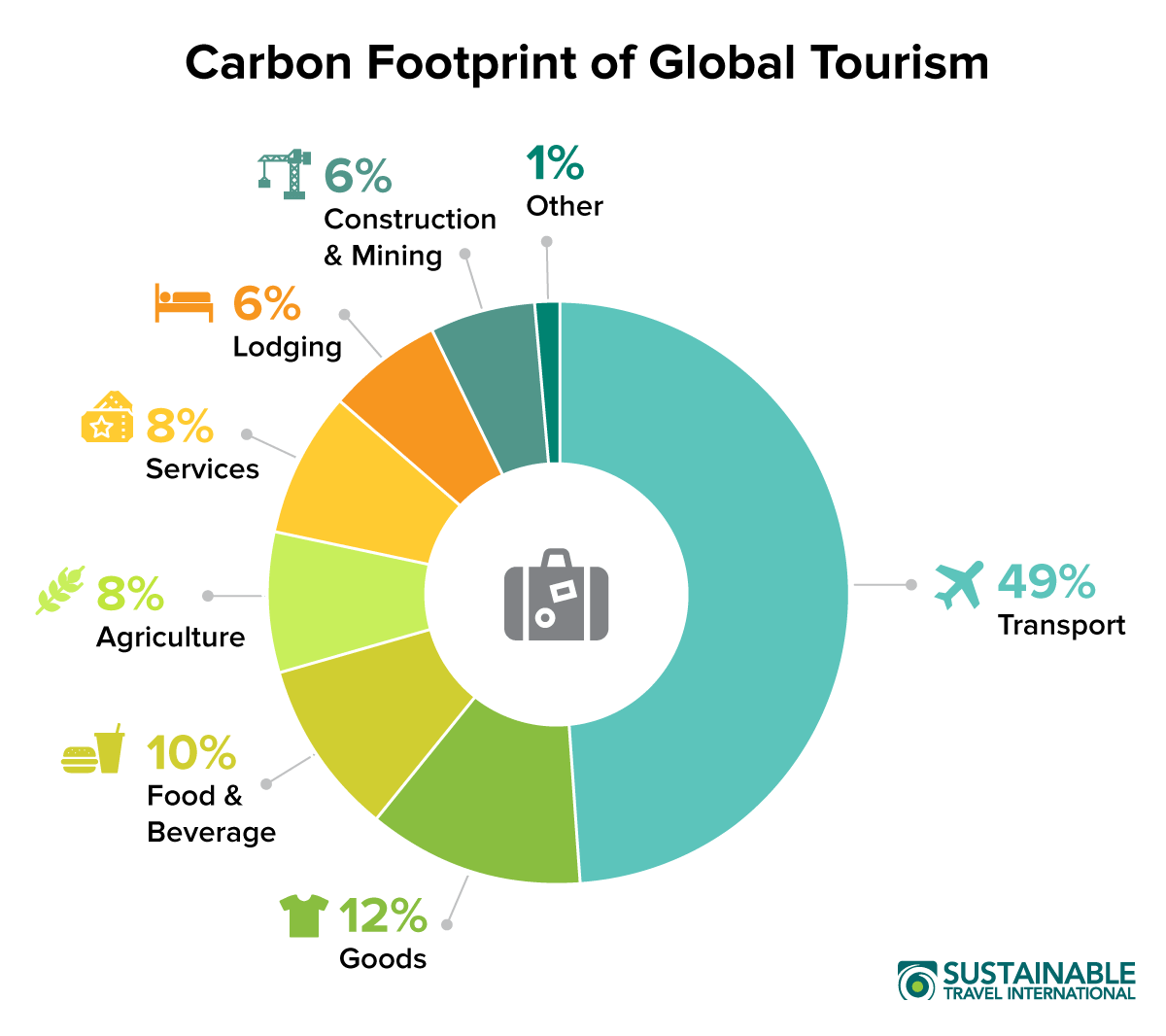
Corporate travel management is essential in the efforts to reduce carbon footprint due to the significant impact business travel has on the environment. By implementing sustainable practices and policies, companies can play a crucial role in minimizing their carbon emissions and contributing to a healthier planet.Examples of Carbon Emissions from Corporate Travel
- Air Travel: Flights for business meetings, conferences, and client visits contribute to a large portion of carbon emissions, especially for long-haul flights.
- Road Transportation: Employee commuting, rental cars, and transportation between offices all contribute to carbon emissions through fuel consumption.
- Accommodation: Business trips often require stays in hotels that consume energy and water, contributing to the carbon footprint.
Environmental Impact of Business Travel
Business travel has a significant environmental impact on a global scale, affecting air quality, biodiversity, and climate change. The carbon emissions from flights and transportation contribute to the greenhouse effect, leading to global warming and climate-related disasters. Additionally, the depletion of natural resources for accommodations and transportation further strains the environment.
Strategies for Sustainable Travel Policies
 Implementing sustainable travel policies is crucial for reducing the carbon footprint of corporate travel. Companies can adopt various strategies to ensure their business trips are more eco-friendly and environmentally responsible.
Utilize Virtual Meeting Alternatives
Companies can reduce the need for travel by utilizing virtual meeting alternatives such as video conferencing. This not only saves time and money but also significantly reduces carbon emissions associated with air and road travel.Encourage the Use of Public Transportation
Encouraging employees to use public transportation or carpooling for business trips can help reduce the number of vehicles on the road, leading to lower carbon emissions. Providing incentives for using eco-friendly modes of transportation can further motivate employees.Choose Green Accommodation Options
Opting for green accommodation options such as hotels with eco-certifications or environmentally friendly practices can minimize the environmental impact of business travel. Companies can prioritize booking accommodations that prioritize sustainability.Offset Carbon Emissions
Companies can partner with organizations that specialize in carbon offset programs to neutralize the environmental impact of their travel activities. Investing in projects that reduce greenhouse gas emissions can help balance out the carbon footprint of corporate travel.Implement a Travel Policy Focused on Sustainability
Establishing a comprehensive travel policy that prioritizes sustainability and environmental responsibility can guide employees on making eco-friendly choices during business trips. This policy can include guidelines on transportation, accommodation, and other aspects of corporate travel.Track and Monitor Carbon Footprint
Implementing systems to track and monitor the carbon footprint of corporate travel can help companies identify areas for improvement and measure the effectiveness of their sustainability initiatives. Regularly monitoring emissions can lead to more informed decision-making and further reduction of carbon footprint.Leveraging Technology for Green Business Travel
Technology plays a crucial role in helping companies reduce their carbon footprint from travel. By leveraging innovative solutions, businesses can track and optimize their travel-related emissions, ultimately contributing to a more sustainable environment.
Technological Solutions for Tracking and Reducing Carbon Footprint
- Utilizing carbon calculators: Companies can use specialized software that calculates the emissions generated from business travel, allowing them to identify areas for improvement.
- GPS tracking and route optimization: Implementing GPS technology can help in planning the most fuel-efficient routes, reducing unnecessary mileage and emissions.
- Virtual meetings and teleconferencing tools: Encouraging the use of virtual meetings can significantly reduce the need for business travel, lowering carbon emissions associated with transportation.
Software and Tools for Monitoring and Optimizing Travel Emissions
- Carbon offset platforms: Companies can invest in carbon offset programs through specialized tools that help in neutralizing the environmental impact of travel emissions.
- Travel management software: Advanced platforms offer features to monitor travel patterns, identify emission hotspots, and suggest eco-friendly alternatives for reducing carbon footprint.
- Real-time emission tracking: Some tools provide real-time data on emissions during travel, enabling immediate adjustments to minimize carbon impact.
Role of Data Analytics in Sustainable Travel Planning
- Data-driven decision-making: Analyzing travel data can help businesses understand their carbon footprint better and make informed choices to reduce emissions.
- Forecasting future trends: Data analytics can predict travel patterns, allowing companies to proactively implement sustainable travel policies and initiatives.
- Continuous improvement: By regularly analyzing travel data and performance metrics, businesses can continuously optimize their travel practices for maximum sustainability.
Collaborating with Sustainable Suppliers and Partners
Partnering with eco-conscious suppliers and vendors for business travel is crucial in reducing the carbon footprint of corporate travel. By working with suppliers who prioritize sustainability, businesses can make a significant impact on the environment and contribute to a greener future.Examples of Sustainable Practices in Corporate Supply Chains
- Choosing suppliers who offer eco-friendly transportation options, such as electric vehicles or biofuel-powered vehicles, for airport transfers and ground transportation.
- Opting for hotels and accommodations that have implemented energy-saving measures, waste reduction programs, and water conservation practices.
- Sourcing products and services from suppliers with a strong commitment to environmental protection, such as those who use recycled materials or adhere to fair trade practices.
Benefits of Collaborating with Like-Minded Organizations
- Enhanced reputation and brand image as a socially responsible company that values sustainability and environmental stewardship.
- Potential cost savings through energy-efficient solutions, waste reduction initiatives, and other sustainable practices implemented by partner organizations.
- Access to a network of environmentally conscious partners who can share best practices, resources, and innovative ideas for reducing carbon emissions in business travel.
Final Summary
In conclusion, the discussion on reducing carbon footprint through corporate travel management highlights the importance of sustainable practices and collaboration for a greener future.
FAQ Compilation
How can companies reduce carbon emissions through corporate travel management?
Companies can implement sustainable travel policies, leverage technology for tracking emissions, and collaborate with eco-conscious suppliers.
What are the benefits of adopting eco-friendly travel policies?
Eco-friendly policies not only help the environment but also improve the company's reputation and reduce costs in the long run.
How does data analytics contribute to creating sustainable travel plans?
Data analytics can help in analyzing travel patterns, identifying areas for improvement, and optimizing routes to reduce carbon footprint effectively.