

Exploring the realm of corporate travel policies for remote teams unveils a world of strategic decisions and impactful measures. As organizations navigate the complexities of remote work, having effective travel policies in place becomes paramount. Let's delve into the intricacies of crafting the best corporate travel policies for remote teams.
Importance of Corporate Travel Policies for Remote Teams
Implementing corporate travel policies is crucial for remote teams to ensure consistency, transparency, and compliance across the organization. These policies provide a framework for managing travel-related expenses, ensuring employee safety, and optimizing productivity while employees are on the move.Key Benefits of Clear Travel Policies for Remote Employees
- Cost Control: Well-defined travel policies help in controlling and managing travel expenses, ensuring that the company's budget is utilized efficiently.
- Compliance: Having clear guidelines in place ensures that employees adhere to the company's travel policies, reducing the risk of non-compliance with regulations.
- Employee Safety: Travel policies Artikel safety protocols, emergency procedures, and travel insurance requirements to help ensure the well-being of remote employees during their travels.
- Productivity and Efficiency: By setting expectations for travel arrangements, booking procedures, and reimbursement processes, travel policies help remote teams plan their trips effectively, minimizing disruptions to work and maximizing productivity.
Enhancing Productivity and Efficiency within Remote Teams
Implementing well-defined travel policies can streamline the travel planning process for remote employees, allowing them to focus on their work without the added stress of managing travel logistics. By providing clear guidelines and support, companies can empower their remote teams to make informed decisions, stay organized, and maintain high levels of productivity even while working remotely.Components of Effective Corporate Travel Policies for Remote Teams
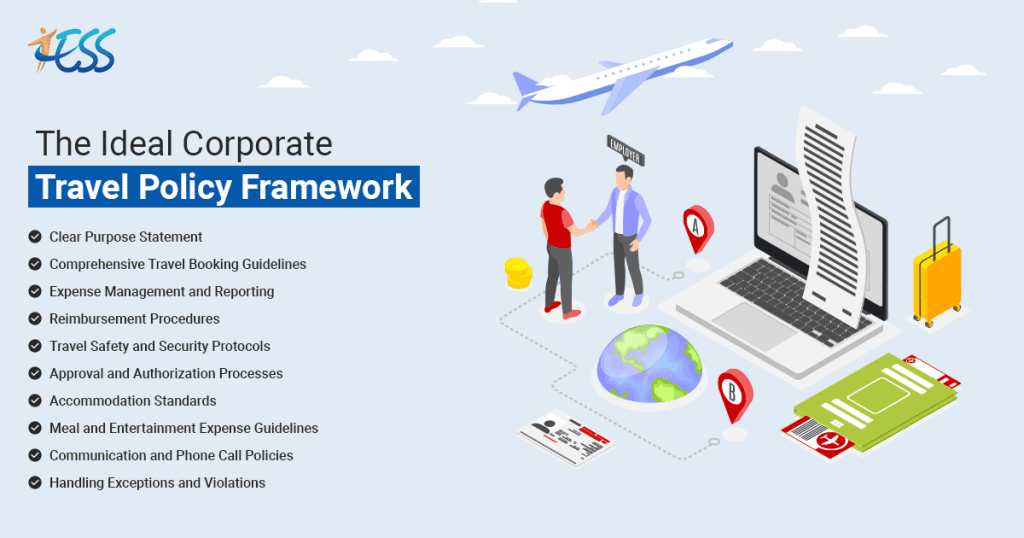 Effective corporate travel policies for remote teams should include specific elements to ensure smooth and efficient travel arrangements for employees working remotely. These policies are essential for managing costs, ensuring compliance with regulations, and promoting the well-being of remote workers.
Key Elements of Corporate Travel Policies for Remote Employees
- Approval Process: Clearly Artikel the process for requesting and approving travel, including who needs to authorize the trip.
- Travel Booking Guidelines: Provide instructions on how to book flights, accommodation, and transportation, and specify any preferred vendors or booking platforms.
- Expense Reimbursement Policy: Detail the expenses that are covered, the submission process for reimbursement, and any limits or restrictions.
- Travel Safety Measures: Include guidelines on health and safety precautions, emergency contacts, and travel insurance requirements.
- Communication Protocols: Establish communication expectations during travel, such as check-in procedures, reporting incidents, and staying connected with the team.
Structuring Travel Policies for Remote Teams
When structuring travel policies for remote teams, companies can choose between a centralized or decentralized approach. A centralized policy provides uniform guidelines and controls from a central authority, while a decentralized policy allows more flexibility and autonomy for individual teams or employees.Examples of Specific Guidelines in Corporate Travel Policies
- Advance Approval: Require employees to obtain approval for travel plans in advance to ensure proper planning and budgeting.
- Booking Restrictions: Set limits on travel expenses, such as class of travel, accommodation options, and meal allowances.
- Emergency Procedures: Provide clear instructions on what to do in case of emergencies, including medical emergencies, natural disasters, or security threats.
- Cultural Sensitivity: Include guidelines on respecting local customs, traditions, and etiquette when traveling to different locations.
Ensuring Compliance and Communication
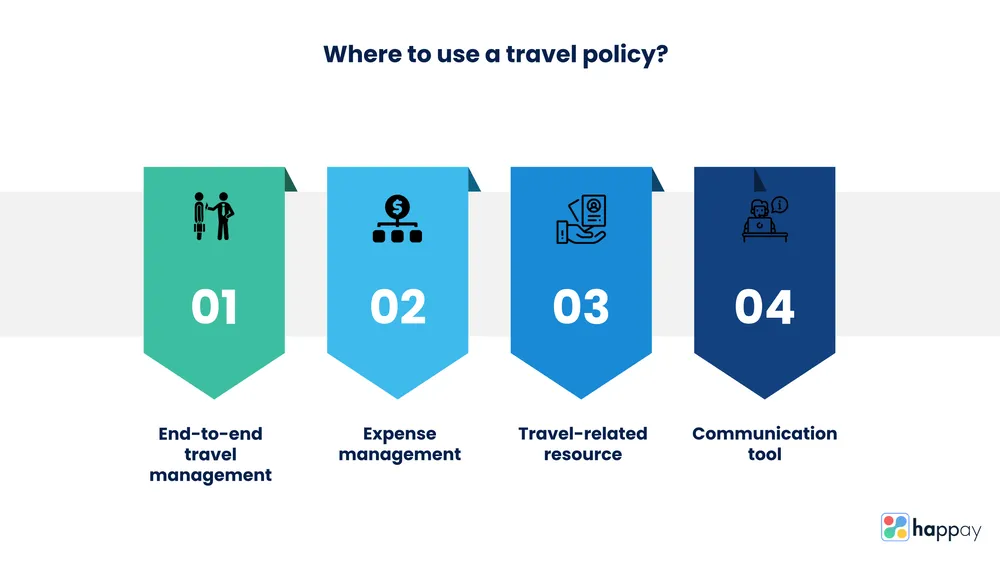 Ensuring that remote employees comply with corporate travel policies is crucial for maintaining consistency and accountability within the team. Clear communication regarding travel guidelines, restrictions, and reimbursement procedures helps set expectations and avoid misunderstandings. Here are some strategies and best practices for effective compliance and communication:
Establish Clear Policies and Procedures
- Develop comprehensive corporate travel policies that Artikel expectations, requirements, and limitations for remote employees.
- Provide detailed procedures for booking travel, submitting expenses, and seeking approval for trips.
Regular Training and Education
- Offer training sessions to educate remote team members on the corporate travel policies and procedures.
- Conduct refresher courses or updates to ensure employees are aware of any changes or additions to the policies.
Utilize Technology for Compliance
- Implement travel management tools or expense tracking systems to streamline the process and monitor compliance.
- Use communication platforms to send reminders, updates, and notifications about travel policies to remote employees.
Open Lines of Communication
- Encourage employees to ask questions or seek clarification regarding travel policies to prevent misunderstandings.
- Establish channels for feedback and suggestions to improve the corporate travel policies based on employee experiences.
Technology Solutions for Managing Corporate Travel for Remote Teams
As remote work becomes more common, utilizing technology solutions to manage corporate travel for remote teams is essential for efficiency and policy adherence.
Expense Tracking and Reporting
- Implementing expense tracking software allows remote employees to easily log expenses related to corporate travel.
- Tools like Expensify or Concur automate the process by capturing receipts, categorizing expenses, and generating reports.
- Automation reduces manual data entry errors and ensures compliance with corporate travel policies.
Accommodation Booking
- Booking platforms such as Airbnb for Work or Booking.com for Business provide a wide range of options for remote employees to book accommodations.
- These platforms offer features like centralized billing, preferred rates, and safety standards to streamline the booking process.
- Using such platforms ensures that remote teams have access to suitable accommodations while adhering to company policies.
Policy Adherence and Approval
- Technology tools like TripActions or Egencia allow companies to set up travel policies, pre-approval processes, and automated notifications for policy violations.
- These tools help in enforcing policy adherence, ensuring that remote employees follow guidelines related to travel bookings and expenses.
- Automation streamlines the approval process, making it easier for managers to review and authorize travel requests promptly.
Final Summary
In conclusion, the implementation of robust corporate travel policies for remote teams is not just a choice but a necessity in today's dynamic work landscape. By embracing these policies, organizations can foster efficiency, compliance, and seamless travel experiences for their remote employees.
FAQ Compilation
What are the key benefits of implementing corporate travel policies for remote teams?
Implementing corporate travel policies for remote teams ensures cost control, enhances employee safety, and streamlines the travel booking process.
How can organizations ensure compliance with corporate travel policies among remote employees?
Organizations can ensure compliance by conducting regular policy reviews, providing clear communication on guidelines, and leveraging technology for tracking and monitoring.
What role does technology play in managing corporate travel for remote teams?
Technology aids in expense tracking, accommodation booking, and policy adherence, offering streamlined solutions for managing travel arrangements for remote employees.